Fashion brands has always reflected culture, identity, and social change. Yet in the modern era, celebrity influence on fashion has become one of the most powerful forces shaping what people wear and how trends evolve. From red carpet appearances to viral social media posts, celebrities often act as trendsetters whose style choices quickly influence designers, brands, and everyday consumers.
Historically, fashion houses relied on runway shows and magazine editors to introduce new styles. Today, the influence of celebrities has accelerated the pace of fashion cycles. When public figures such as Rihanna, Kim Kardashian, or Zendaya appear in a particular outfit, the design can sell out within hours. Industry reports from organizations like McKinsey & Company and Business of Fashion regularly highlight how celebrity-driven marketing significantly increases product visibility and consumer engagement.
This article explores how celebrity influence on fashion operates across multiple levels from marketing psychology and social media trends to global brand strategies. It examines why consumers trust celebrity endorsements, how celebrity-owned brands are transforming the industry, and why digital platforms have amplified celebrity impact. By understanding these dynamics, brands and consumers alike can better navigate a fashion landscape increasingly shaped by fame, identity, and storytelling.
Table of Contents
ToggleHow Celebrity Culture Transformed the Fashion Industry
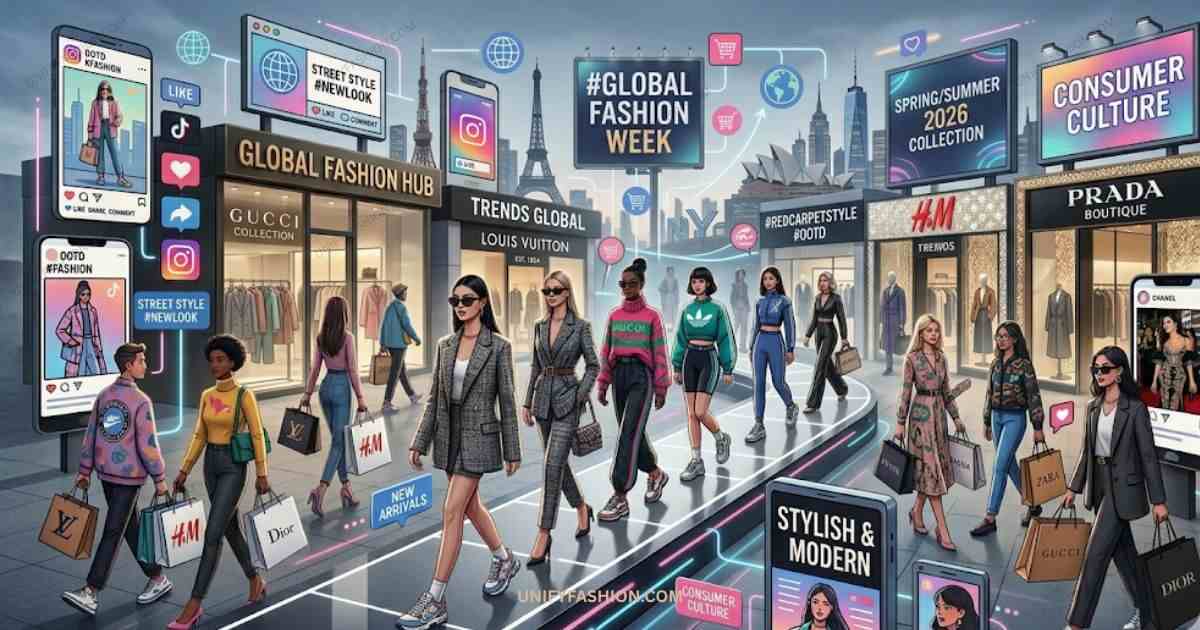
Celebrity culture has dramatically reshaped the fashion industry over the past few decades. While actors, musicians, and public figures have long influenced style trends, the scale and speed of their impact have expanded significantly in the digital age.
In earlier decades, fashion trends were introduced mainly through runway shows in cities such as Paris and Milan. Designers created collections that were later featured in fashion magazines. Today, celebrities act as real-time trend distributors. When a celebrity appears wearing a specific designer or outfit, images spread instantly across social media platforms and entertainment news outlets.
A clear example of this transformation can be seen in the influence of Rihanna. Her personal style and business ventures have shaped contemporary fashion trends worldwide. Through her brand Fenty, she helped redefine inclusive fashion by expanding shade ranges in beauty products and promoting diverse representation. Fashion scholars often cite this shift as a major moment in modern celebrity-driven fashion marketing.
Celebrity culture has also changed how brands launch collections. Instead of relying solely on seasonal runway shows, brands now collaborate with celebrities to introduce limited-edition products or capsule collections. These partnerships create a sense of exclusivity and urgency that encourages consumers to purchase quickly before items sell out.
Another key factor is media coverage. Entertainment outlets, fashion blogs, and social media influencers constantly analyze celebrity outfits, highlighting where consumers can buy similar styles. This type of exposure gives celebrities a level of influence that traditional advertising campaigns rarely achieve.
Ultimately, celebrity culture has blurred the line between entertainment and fashion marketing. Celebrities are no longer just brand ambassadors they are collaborators, designers, and entrepreneurs who actively shape the direction of the industry.
Why Celebrity Endorsements Shape Consumer Behavior
One of the most frequently asked questions in marketing is why celebrity endorsements are so effective. The answer lies in psychology, social identity, and trust. Consumers often associate celebrities with success, confidence, and aspirational lifestyles. When those figures promote a product, audiences perceive the item as more desirable.
Marketing researchers frequently refer to this phenomenon as the halo effect, where positive feelings toward a person influence how people perceive the products they endorse. For example, when a celebrity admired for their style appears wearing a particular brand, consumers may assume the brand reflects similar qualities such as quality, prestige, or creativity.
The endorsement strategy has been widely studied by marketing organizations including Harvard Business Review. Research indicates that celebrity endorsements can significantly increase brand recognition and consumer recall. People are more likely to remember advertisements that feature recognizable personalities.
Another reason endorsements are effective is relatability. Fans often develop emotional connections with celebrities through movies, music, interviews, and social media content. When those celebrities share fashion choices, followers feel inspired to replicate the look. This connection helps bridge the gap between aspiration and accessibility.
Social proof also plays a role. If a large audience admires a particular celebrity, their fashion choices become signals of popularity. Consumers interpret these signals as indicators of what is fashionable or socially accepted.
However, endorsement success depends on authenticity. If the celebrity’s personal style does not align with the brand’s image, audiences may perceive the partnership as forced or purely commercial. Brands therefore carefully select celebrities whose personality and aesthetic match their identity.
In short, celebrity endorsements shape consumer behavior because they combine aspiration, trust, and emotional connection. These elements create a persuasive marketing tool that continues to dominate the fashion industry.
The Rise of Celebrity-Owned Fashion Brands
In recent years, many celebrities have moved beyond endorsements and launched their own fashion brands. This trend reflects a broader shift toward entrepreneurship in the entertainment industry.
Celebrities such as Kanye West built highly influential brands like Yeezy, which combines streetwear aesthetics with luxury fashion elements. The brand achieved global success through collaborations with companies like Adidas, demonstrating how celebrity influence can drive both creativity and commercial performance.
Similarly, Victoria Beckham successfully transitioned from pop star to respected fashion designer. Her label, Victoria Beckham, gained recognition in major fashion capitals and earned praise for its minimalist design approach.
These ventures illustrate how celebrities leverage their public visibility to launch brands that resonate with fans. Instead of simply endorsing products, they build entire business ecosystems around their personal identity and style.
Several factors contribute to the success of celebrity-owned brands. First, celebrities bring built-in audiences. Millions of followers on social media platforms can instantly generate awareness for new product launches. Second, their personal stories often add authenticity to the brand narrative. Consumers feel connected to the creative vision behind the products.
However, launching a fashion brand is not without risks. The industry is highly competitive, and not every celebrity venture succeeds. Brands must maintain quality, manage supply chains, and adapt to changing consumer preferences. Without strong design teams and strategic planning, celebrity brands may struggle to maintain credibility.
Despite these challenges, celebrity-owned fashion labels continue to grow in influence. As public figures increasingly explore entrepreneurship, the intersection of entertainment and fashion will likely become even stronger in the years ahead.
Celebrity Impact on Fashion Brands/ Trends
Celebrity appearances frequently shape fashion trends at remarkable speed. A single outfit worn at a public event can influence millions of consumers within days.
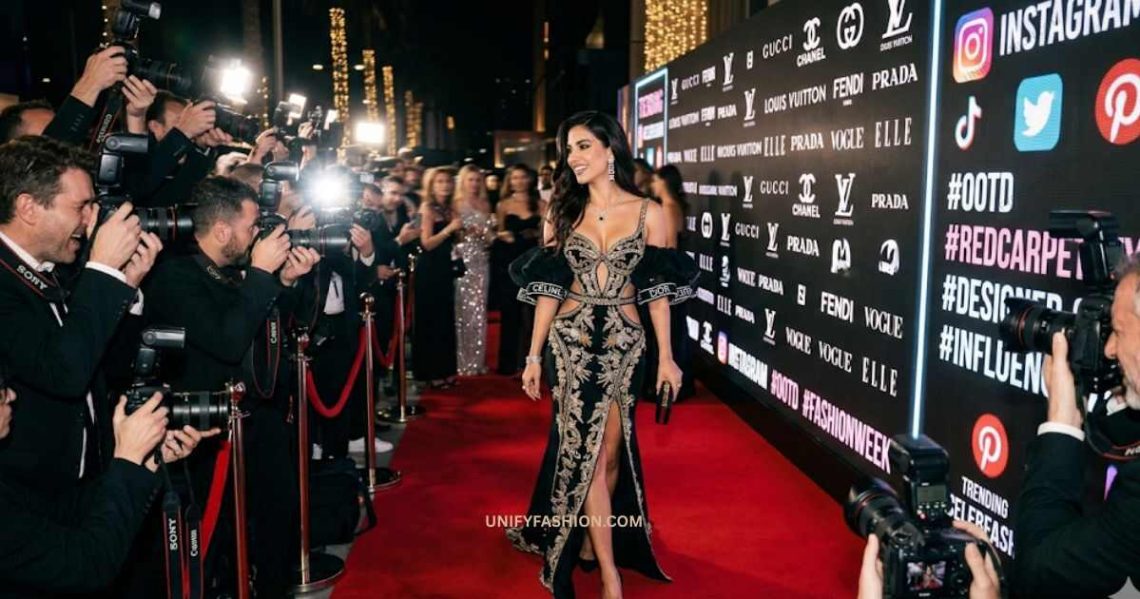
Red carpet events provide one of the most visible examples. During major ceremonies such as the Met Gala or the Academy Awards, celebrities showcase carefully curated outfits designed by top fashion houses. These looks often introduce new silhouettes, fabrics, or color combinations that designers later incorporate into retail collections.
Social media has amplified this process. When celebrities share images of their outfits on platforms like Instagram and TikTok, the content spreads instantly among millions of followers. Fashion influencers and media outlets quickly analyze these styles, recommending similar items available for purchase.
Viral Fashion Moments That Changed the Industry
Some celebrity fashion moments become cultural milestones. For instance, when Lady Gaga wore her famous meat dress at the MTV Video Music Awards, the outfit sparked global conversations about fashion as artistic expression.
Another example is Jennifer Lopez wearing the iconic green Versace dress at the Grammy Awards. The look generated so much online interest that it reportedly inspired the creation of Google Image Search.
These moments demonstrate how celebrity fashion choices can extend far beyond clothing, influencing technology, media, and cultural discussions.
How Stylists Help Create Celebrity Style Icons
Behind every memorable celebrity look is often a professional stylist. Stylists collaborate with designers to select outfits that reflect a celebrity’s personality while capturing public attention.
Fashion stylist Law Roach, known for working with Zendaya, has played a significant role in shaping her reputation as a modern style icon. Their partnership highlights how creative collaboration between stylists and celebrities can elevate fashion storytelling.
Stylists analyze upcoming trends, event themes, and brand relationships when selecting outfits. This strategic approach ensures that each appearance contributes to a broader narrative about the celebrity’s image.
Celebrity Influence in the Digital Era
Digital platforms have fundamentally changed how celebrity fashion brands spreads. Social media networks allow celebrities to communicate directly with audiences without relying solely on traditional media channels.
Platforms such as Instagram, TikTok, and YouTube function as global fashion brands stages where celebrities showcase daily outfits, collaborations, and brand partnerships.
The rise of influencer culture has also blurred the distinction between celebrities and social media personalities. Influencers with millions of followers can generate similar fashion brands trends, sometimes rivaling traditional celebrities in marketing influence.
How Viral Fashion brands/ Trends Are Born Online
Online fashion brands trends often emerge through rapid cycles of imitation and adaptation. A celebrity posts a new look, influencers recreate the style, and brands release similar items to meet consumer demand.
Hashtags and recommendation algorithms accelerate this process. Trending content reaches users who may not even follow the celebrity directly, expanding the influence far beyond the original audience.
Because of this dynamic, fashion brands cycles are becoming shorter and more responsive to digital culture.
Conclusion: The Lasting Power of Celebrity Influence in Fashion
The relationship between celebrities and fashion brand has evolved from simple endorsements to complex collaborations that shape global trends. Celebrities now act as designers, entrepreneurs, and cultural ambassadors whose influence extends across marketing, technology, and social identity.
The rise of digital media has amplified this influence, allowing fashion brand/ trends to spread instantly across international audiences. At the same time, consumers are becoming more attentive to authenticity, sustainability, and representation when evaluating celebrity-driven brands.
As the industry continues to evolve, the power of celebrity influence on fashion brands will likely remain a defining force. Whether through viral moments, innovative collaborations, or new business ventures, celebrities will continue shaping how fashion brands is created, marketed, and experienced worldwide.
Frequently Asked Questions
How do celebrities influence fashion brands/trends?
Celebrities influence fashion brands by wearing specific brands or styles in public appearances, social media posts, and media campaigns. These choices often inspire consumers and designers, leading to widespread adoption of similar styles.
Why are celebrity fashion brands endorsements effective?
Celebrity endorsements work because they create trust, aspiration, and emotional connection with audiences. Consumers often admire celebrities and want to replicate their style.
What are celebrity-owned fashion brands?
Celebrity-owned fashion brands are companies created or co-founded by public figures. Examples include Fenty by Rihanna and Yeezy by Kanye West.
How has social media changed celebrity fashion influence?
Social media allows celebrities to share outfits directly with millions of followers, making fashion brands/trends spread faster than ever before.
Do celebrity fashion brands/ trends last long?
Some trends fade quickly, but others become long-term influences that shape the fashion brands industry for years.
Summary
Celebrity influence on fashion continues to transform the industry by shaping trends, driving brand success, and connecting fashion brands with popular culture. Through endorsements, personal brands, and social media engagement, celebrities remain powerful catalysts for innovation and change within the global fashion brands ecosystem.