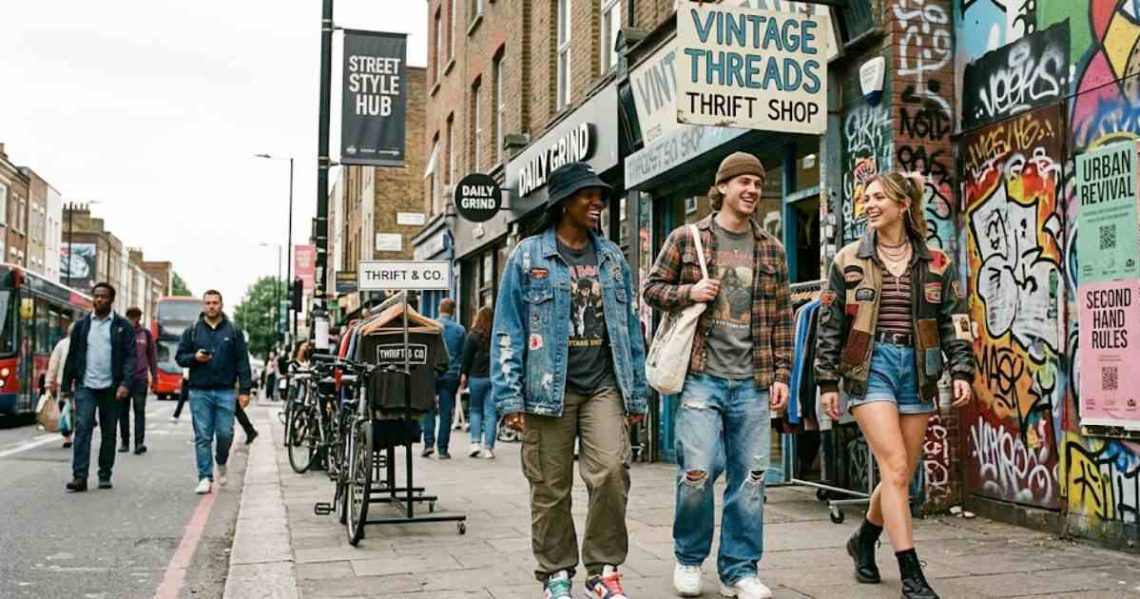
Fashion has always been a way for people to express who they are. In recent years, a powerful shift has happened in the fashion world. Many young people are moving away from expensive, mass-produced clothing and are turning toward second-hand fashion. This shift has created a strong connection between thrifting and street style, where individuality, creativity, and sustainability come together.
Thrifting simply means buying pre-owned clothing from thrift stores, vintage markets, or second-hand platforms. Instead of purchasing new garments produced by fast-fashion brands, shoppers search for unique pieces that already exist in the fashion cycle. What makes this practice interesting is that it allows people to create stylish outfits while also reducing waste.
Street style, on the other hand, refers to fashion that emerges from everyday people rather than from luxury fashion houses. It developed in urban environments where youth culture, music, art, and social movements influence the way people dress. When thrifted clothing enters this space, it becomes a powerful tool for creating original and expressive outfits.
The growing popularity of thrifting and street style is closely tied to sustainability concerns. The fashion industry is responsible for a significant amount of environmental waste. According to the United Nations Environment Programme, the fashion industry accounts for roughly 10% of global carbon emissions and produces massive textile waste each year. Because thrift shopping keeps clothing in circulation longer, it helps reduce this environmental impact.
Another reason thrifting has become popular is affordability. Many people, especially students and young adults, want fashionable clothing without spending large amounts of money. Thrift stores offer access to brands, vintage items, and high-quality fabrics at much lower prices.
Social media has also played a major role. Platforms such as Instagram and TikTok have made it easy for people to share thrift hauls, outfit ideas, and styling tips. These posts inspire others to experiment with thrifted clothing and develop their own street style.
This guide explains how thrifting and street style are connected, why this trend has become so influential, and how people can use thrifted fashion to create unique and sustainable outfits.
What Is Thrifting and street style in Fashion?

What Does Thrifting Mean?
Thrifting refers to the practice of purchasing second-hand or pre-owned clothing instead of buying newly manufactured garments. These clothes are typically sold through thrift stores, vintage shops, flea markets, charity stores, and online resale platforms.
Historically, thrifting was mainly associated with affordability. People visited thrift stores because they needed inexpensive clothing. However, this perception has changed dramatically in recent years. Today, thrifting is also associated with sustainability, creativity, and individuality.
One of the key reasons people enjoy thrifting is the sense of discovery. Unlike regular retail stores where items are mass produced, thrift stores contain a wide range of unique pieces. A shopper might find vintage denim jackets, retro graphic shirts, or rare accessories that are no longer available in mainstream stores.
Research by the Thred Up resale report shows that the global second-hand clothing market is growing rapidly and is expected to continue expanding in the coming years. This growth indicates that consumers are increasingly interested in alternative ways of buying fashion.
Another important aspect of thrifting is its role in reducing textile waste. Instead of throwing clothing away, thrift stores allow garments to be reused by new owners. This simple process extends the life cycle of clothing and helps reduce environmental pressure created by the fashion industry.
Is Thrifting and street style Sustainable Fashion?
Many people ask whether thrifting and street style is part of sustainable fashion. In most cases, the answer is yes.
Sustainable fashion focuses on reducing environmental harm and promoting responsible consumption. Thrifting and street style supports these goals because it encourages people to reuse existing clothing instead of contributing to the production of new garments.
According to the Ellen MacArthur Foundation, extending the life of clothing by just nine additional months can significantly reduce carbon, water, and waste footprints. Thrift shopping plays an important role in achieving this.
However, sustainability also depends on consumer behavior. If people buy large amounts of clothing they do not actually use, the environmental benefits can decrease. Responsible thrifting and street style means choosing items carefully and wearing them regularly.
Thrifting Culture and Its Meaning
What Is Thrifting Culture?
Thrifting and street style culture refers to the social movement built around buying, styling, and celebrating second-hand clothing. It is more than a shopping habit; it reflects values such as creativity, sustainability, and individuality.
In many cities around the world, thrift stores have become popular meeting places for fashion enthusiasts. People enjoy searching through racks of clothing, sharing discoveries with friends, and experimenting with different styles.
This culture encourages people to think differently about fashion consumption. Instead of following fast-fashion trends that change every season, thrift culture values originality. A thrifted outfit often reflects personal taste rather than mainstream trends.
Thrifting Culture in Pakistan
In Pakistan, thrifting has existed for many years through markets that sell imported second-hand clothing. These markets are commonly known as “landa bazaars.” Cities such as Karachi, Lahore, and Islamabad have thriving second-hand clothing markets where shoppers can find jackets, jeans, sweaters, and vintage items at affordable prices.
Recently, online thrift stores have also appeared on social media platforms. Many small businesses now curate thrift collections and sell them through Instagram pages. This has made thrifting more accessible to younger audiences who are interested in unique fashion.
Thrifted Fashion in Street Style
How Thrifted Clothing Shapes Street Style
Street style developed as a form of fashion influenced by youth culture, music scenes, and urban environments. Instead of being dictated by designers, street style evolves naturally through everyday outfits.
Thrifted clothing fits perfectly into this culture because it allows individuals to create distinctive looks. A vintage leather jacket, oversized hoodie, or retro denim piece can easily become the centerpiece of a streetwear outfit.
The use of thrifted pieces also adds authenticity to street fashion. Many people feel that second-hand items carry character and history, which makes outfits feel more personal.
Styling Thrifted Clothes Creatively
Styling thrifted clothing requires creativity. Because thrift stores carry many different styles from different decades, shoppers often mix old and new pieces to create balanced outfits.
Some popular styling approaches include:
-
Pairing vintage denim with modern sneakers
-
Layering oversized jackets with fitted basics
-
Customizing thrifted clothing through DIY alterations
Customization is particularly popular in street fashion. People often crop shirts, distress denim, or add patches and embroidery to thrifted items. These small changes allow individuals to transform second-hand clothing into something completely unique.
Why Gen Z Loves Thrifting
Sustainability Awareness
One of the strongest reasons younger generations support thrifting is environmental awareness. Many young people understand that fast thrifting and street style fashion contributes to pollution and waste. By choosing second-hand clothing, they feel they are making a more responsible choice.
Social Media Influence
Social media platforms have also helped promote thrifting and street style fashion. Influencers frequently post “thrift hauls,” styling videos, and before-and-after clothing transformations. These posts show that stylish outfits do not always require expensive purchases.
The popularity of thrift content on platforms like TikTok demonstrates how digital communities encourage creative fashion exploration.
FAQs
What is the difference between thrifting and vintage shopping?
Thrifting and street style usually refers to buying general second-hand clothing from thrift stores. Vintage shopping focuses on older items, typically from previous decades, that have historical or stylistic value.
Why is thrifting becoming popular?
Thrifting and street style has grown popular because it is affordable, sustainable, and allows people to find unique fashion pieces that stand out from mass-produced clothing.
Can thrifted clothing be fashionable?
Yes. Many thrifting and street style fashion enthusiasts create stylish outfits using thrifted pieces. Street style often celebrates individuality, which makes thrifted clothing a perfect fit.
Is thrifting environmentally friendly?
Thrifting can help reduce textile waste and extend the life cycle of clothing, which makes it a more sustainable alternative to fast fashion.
Conclusion
The connection between thrifting and street style shows how fashion can evolve through creativity and responsible choices. Thrift shopping allows people to experiment with different looks while reducing their environmental impact. At the same time, thrifting and street style encourages individuality and freedom of expression.
As more people become aware of sustainability issues in the fashion industry, second-hand clothing will likely continue to grow in popularity. Thrifting and street style proves that style does not always come from expensive brands it often comes from creativity, confidence, and the ability to see value in clothing that already exists.