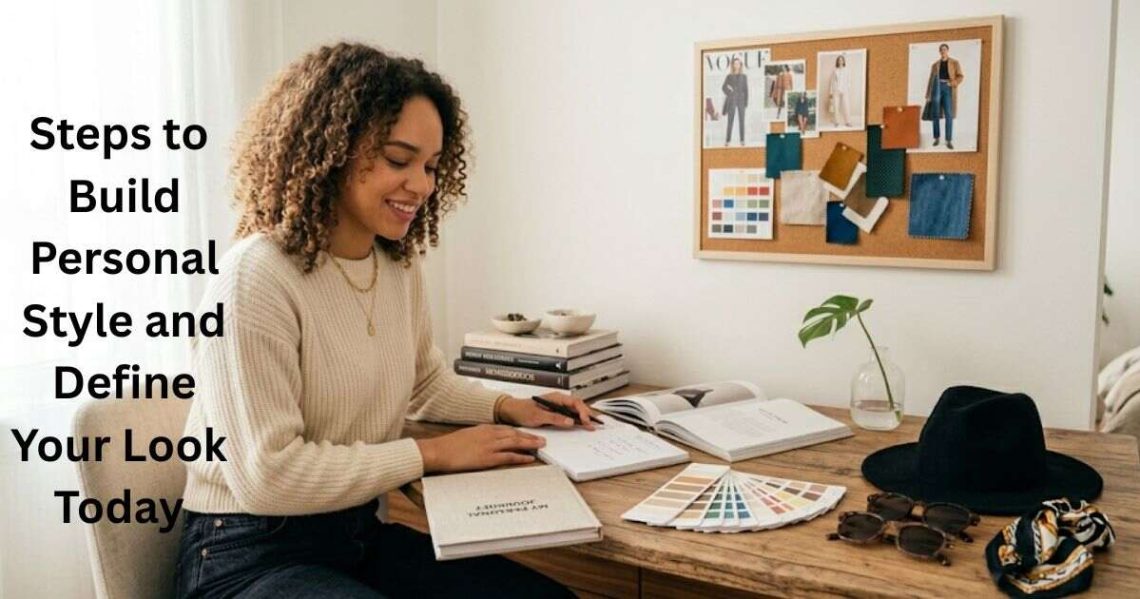
Developing a personal style is more than simply choosing fashionable clothes or following seasonal trends. It is about understanding who you are and expressing that identity through what you wear. Clothing communicates personality, lifestyle, and even confidence before a single word is spoken. Fashion researchers often describe clothing as a form of non-verbal communication that shapes how people perceive themselves and others.
Many people struggle to identify their personal style because the modern fashion world moves quickly. Social media trends, celebrity outfits, and influencer recommendations can make it difficult to determine what truly fits your identity. While inspiration is helpful, copying trends without understanding your preferences rarely creates a lasting style.
A strong personal style develops gradually. It comes from observing clothing choices, experimenting with different looks, and learning what makes you feel comfortable and confident. Some individuals prefer minimalist wardrobes, while others enjoy bold colors or layered outfits. There is no single formula for developing a sense of style because each person’s lifestyle, body shape, and personality influence their fashion decisions.
Psychological research also suggests that clothing affects confidence and behavior. A study published in the Journal of Experimental Social Psychology introduced the concept of “enclothed cognition,” showing that clothing can influence how people feel and perform tasks . When people wear clothes that align with their identity, they often feel more confident and authentic.
Understanding personal style also helps people make smarter shopping decisions. Instead of buying items impulsively, individuals learn to choose clothing that fits their wardrobe and daily life. This approach reduces unnecessary spending and encourages a more sustainable relationship with fashion.
Another important benefit of developing personal style is wardrobe consistency. When people understand the colors, silhouettes, and fabrics that suit them, creating outfits becomes easier. Rather than spending time deciding what to wear, they already know which combinations work best.
Fashion experts often recommend starting with observation. By noticing how certain outfits appear in everyday environments whether on the street, in workplaces, or in fashion magazines individuals begin to recognize patterns that attract them. Over time, those observations help define personal preferences.
The journey toward discovering personal style does not require expensive clothing or designer brands. Many well-dressed individuals build their wardrobes gradually using simple pieces that reflect their personality. What matters most is how clothing aligns with identity and lifestyle.
This guide explores practical steps for developing personal style from the ground up. It explains how to observe fashion carefully, experiment with clothing choices, and build a wardrobe that reflects individuality while remaining functional for everyday life.
Why Personal Style Matters in Everyday Life
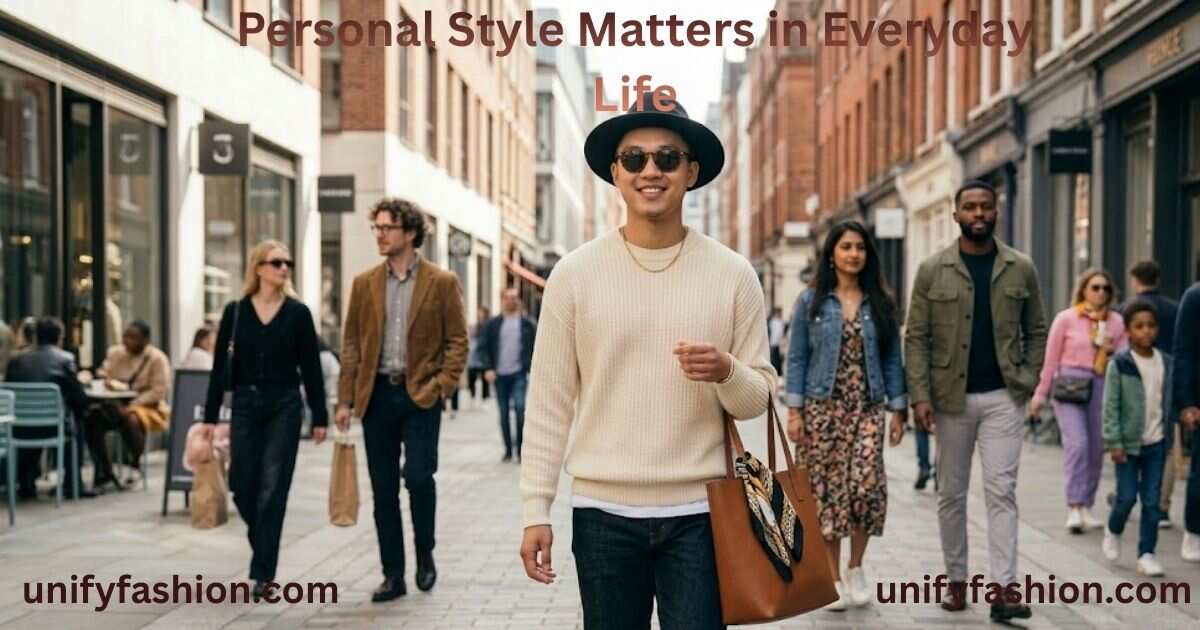
Understanding the importance of personal style goes beyond aesthetics. Clothing choices influence confidence, social interactions, and even professional opportunities. When individuals develop a consistent sense of style, they communicate a clearer identity to others.
Fashion scholars often explain that clothing serves as a “social signal.” According to sociologist Joanne Entwistle in The Fashioned Body (2015), clothing helps people present themselves in ways that align with cultural expectations while still expressing individuality. This means that what people wear can shape how they are perceived in different environments.
One key benefit of developing personal style is confidence. When people wear outfits that feel authentic, they often carry themselves differently. Confidence influences posture, communication, and even decision-making. Many professionals report feeling more prepared for meetings or presentations when their clothing reflects a polished version of themselves.
Another advantage is efficiency. People with a defined personal style usually spend less time deciding what to wear. Their wardrobes contain pieces that complement each other, making outfit selection faster and easier. This concept is similar to the “capsule wardrobe” approach promoted by fashion writer Susie Faux, which focuses on owning versatile clothing items that work together.
Financial awareness is another reason personal style matters. Without a clear style direction, people often purchase clothing impulsively. Over time, this leads to wardrobes filled with items that are rarely worn. By understanding style preferences, individuals can prioritize clothing that fits their lifestyle and avoid unnecessary purchases.
Developing personal style also supports sustainability. The fashion industry produces significant environmental impact due to fast fashion production cycles. Researchers at the Ellen MacArthur Foundation emphasize that extending clothing usage and making thoughtful purchases can reduce waste in the fashion system .
Additionally, personal style helps people adapt clothing to different environments. A well-developed wardrobe includes options for casual, professional, and social occasions without losing consistency in appearance. This balance allows individuals to maintain their identity while respecting situational expectations.
Many fashion professionals emphasize that personal style is not about perfection. Instead, it evolves as individuals gain experience with clothing choices. Lifestyle changes, career transitions, and cultural influences can all reshape how someone dresses.
Ultimately, personal style serves as a visual reflection of personality. It allows individuals to communicate creativity, professionalism, simplicity, or boldness through clothing. When people understand their style preferences, fashion becomes less about following trends and more about expressing authenticity.
How Clothing Influences Confidence and Self-Perception
The connection between clothing and confidence is widely studied in psychology and sociology. Clothing can influence how individuals perceive themselves and how others interpret their behavior.
Researchers Adam and Galinsky introduced the concept of “enclothed cognition,” which describes how clothing affects psychological processes . Their study demonstrated that wearing clothing associated with competence such as a lab coat improved participants’ focus and performance. This suggests that clothing choices can shape mental states and behavior.
When individuals develop personal style, they begin selecting outfits that align with their identity. This alignment creates a sense of authenticity. Instead of feeling uncomfortable in unfamiliar trends, they wear clothing that feels natural.
Confidence often increases when clothing fits properly and reflects personal preferences. For example, someone who prefers minimal designs may feel overwhelmed wearing bright patterns, while someone who enjoys bold fashion may feel restricted in plain outfits. Understanding these preferences is a key step in building personal style.
Another important factor is body comfort. Clothing that fits well allows people to move naturally without constant adjustment. Tailoring, fabric selection, and appropriate sizing all contribute to how comfortable a person feels throughout the day.
Fashion psychologists also highlight the relationship between clothing and self-identity. When people consistently wear outfits that represent their personality, they reinforce a stable sense of self. This consistency helps reduce uncertainty about appearance and encourages positive self-perception.
Developing personal style therefore supports both external presentation and internal confidence. By choosing clothing that aligns with identity and comfort, individuals create a wardrobe that strengthens their self-expression rather than limiting it.
How to Discover Your Personal style From Scratch
Discovering personal style often begins with curiosity and observation. Many people assume that style is something people are born with, but in reality it develops through experience, experimentation, and reflection. Fashion historians frequently note that clothing preferences evolve alongside lifestyle, culture, and social influences.
One of the first steps toward identifying personal style is understanding what types of clothing naturally attract your attention. This might happen when you see an outfit in a magazine, a street-style photograph, or even someone walking down the street. Instead of copying the look exactly, it is helpful to ask why that outfit stands out. Sometimes it is the color combination, while other times it is the silhouette or overall simplicity.
Building personal style also requires self-awareness. Clothing should reflect daily activities and comfort levels. For example, someone who spends most of the day commuting and working may prefer practical clothing with clean lines, while someone in a creative field might explore more expressive outfit combinations.
Another important factor in developing personal style is patience. Style rarely appears overnight. Many people experiment with different clothing pieces before identifying what consistently feels right. Fashion experts often recommend documenting outfits or creating inspiration boards to track recurring patterns in clothing preferences.
Developing personal style also involves understanding body proportions. Different cuts, fabrics, and shapes interact with body structures in unique ways. When people learn which silhouettes complement them best, they are able to choose clothing more confidently.
Social media platforms such as Pinterest or fashion blogs can provide inspiration, but they should not define personal style completely. Inspiration should act as a reference rather than a rulebook. True style emerges when individuals adapt inspiration to suit their own preferences.
Ultimately, discovering personal style is a gradual process that blends observation, experimentation, and self-expression. Over time, clothing choices become more intentional and aligned with personality.
Become an Expert Observer of Fashion
Observation is one of the most effective ways to understand personal style. Fashion researchers explain that people often learn style awareness by noticing patterns in clothing choices around them .
To develop personal style, start paying attention to outfits you see in daily life. This could include observing coworkers, people in cafés, or individuals featured in fashion photography. The goal is not imitation but awareness. Over time, certain styles, colors, or shapes will repeatedly stand out.
Many stylists suggest keeping a small collection of saved images or screenshots that represent clothing preferences. Reviewing these images later often reveals consistent themes that form the basis of personal style.
Another benefit of observation is understanding versatility. Seeing how different people combine clothing items demonstrates how a single jacket or pair of trousers can appear in multiple outfits. This knowledge helps build a wardrobe that supports personal style without excessive purchases.
Observation also encourages critical thinking about trends. Instead of adopting every popular look, individuals with a developing personal style learn to evaluate whether a trend fits their identity or lifestyle.
Over time, consistent observation trains the eye to recognize balance, proportion, and color harmony. These skills are fundamental to developing a confident and authentic personal style.
Experiment With Clothing Outside Your Comfort Zone
While observation builds awareness, experimentation allows individuals to test what works for their personal style. Trying new clothing combinations often reveals unexpected preferences.
Fashion psychologists note that experimentation helps people refine identity through clothing choices (Entwistle, The Fashioned Body, 2015). When individuals try unfamiliar outfits, they learn which styles align with their comfort and personality.
For example, someone who normally wears neutral colors might experiment with patterned pieces. Similarly, someone who prefers casual clothing might explore tailored garments. These experiments gradually shape personal style.
Importantly, experimentation does not require buying many new clothes. Often it involves styling existing wardrobe items in different ways. A shirt can be worn open as a layer, tucked differently, or paired with unexpected accessories.
Over time, these small adjustments help individuals understand what defines their personal style. Eventually, certain combinations feel natural while others do not. That awareness becomes the foundation of a consistent wardrobe.
Experimentation also reduces the fear of making fashion mistakes. Every attempt contributes to learning and ultimately strengthens personal style.
Building a Wardrobe That Reflects Your Personal Style
Once individuals begin understanding their preferences, the next step is creating a wardrobe that supports personal style. A thoughtful wardrobe does not require large numbers of clothes; instead, it focuses on versatile items that reflect consistent style choices.
Fashion educators often recommend starting with foundational pieces. These items serve as the base of most outfits and allow individuals to build combinations that represent their personal style. Examples include well-fitting jeans, simple shirts, neutral jackets, and comfortable footwear.
Consistency is another important element. A wardrobe aligned with personal style often follows a recognizable color palette. For example, some individuals prefer neutral tones such as black, white, and beige, while others incorporate brighter colors.
Quality also plays a role. Clothing that fits properly and uses durable fabrics tends to remain in wardrobes longer. The Ellen MacArthur Foundation emphasizes that choosing long-lasting clothing reduces waste and supports sustainable fashion practices.
Accessories can further strengthen personal style. Items such as belts, watches, scarves, or jewelry often add individuality to otherwise simple outfits.
Ultimately, a wardrobe built around personal style should make dressing easier rather than more complicated. When clothing pieces complement each other, creating outfits becomes an intuitive process.
Use Your Most-Worn Clothing as the Starting Point
A practical way to build personal style is by examining the clothes already worn frequently. These items often reveal genuine preferences.
If certain shirts, jackets, or shoes appear repeatedly in everyday outfits, they likely represent key elements of personal style. Identifying these patterns helps individuals understand what works for their lifestyle and comfort.
Fashion consultants often ask clients to analyze their most-worn clothing items before purchasing new pieces. This method ensures that new additions align with existing personal style rather than disrupting it.
Over time, recognizing favorite items also helps define preferred colors, fabrics, and silhouettes. These details become guidelines for future purchases.
By starting with familiar pieces, individuals can strengthen personal style without completely rebuilding their wardrobe.
Build a Simple Capsule Wardrobe
A capsule wardrobe is a small collection of versatile clothing items that can create many outfits. Fashion writer Susie Faux popularized this concept in the 1970s as a strategy for simplifying wardrobes.
Capsule wardrobes support style by focusing on quality and versatility rather than quantity. Instead of owning dozens of unrelated items, individuals choose clothing that works together.
For example, a capsule wardrobe might include neutral trousers, simple shirts, a structured jacket, and comfortable shoes. These pieces allow individuals to maintain consistent style across different occasions.
Capsule wardrobes also reduce decision fatigue. When clothing pieces match easily, choosing outfits becomes faster and more efficient.
Most importantly, capsule wardrobes encourage intentional shopping habits that reinforce style over time.
Common Mistakes People Make When Developing Personal Style
Even with good intentions, people sometimes make mistakes when trying to develop style. One common mistake is chasing trends without considering preferences.
Trends change quickly, and clothing that feels fashionable one season may not feel comfortable later. Relying entirely on trends often prevents individuals from developing a stable style.
Another mistake is ignoring fit. Clothing that does not fit properly can undermine even the most carefully chosen outfits. Tailoring or selecting appropriate sizes plays a crucial role in maintaining style.
Some people also accumulate clothing without considering compatibility. When wardrobe pieces do not match each other, creating outfits becomes difficult. A cohesive wardrobe is essential for expressing style effectively.
Recognizing these mistakes helps individuals refine their approach and build a more authentic sense of style.
How Personal Style Evolves Over Time
It is important to remember that style is not static. As people grow, change careers, or experience new environments, their clothing preferences often evolve.
Fashion sociologists note that clothing reflects life stages and social roles . A university student may prefer casual outfits, while a professional environment might encourage more structured clothing.
Allowing style to evolve naturally prevents wardrobes from becoming outdated or restrictive. Periodically reassessing clothing preferences ensures that style remains relevant and authentic.
Ultimately, the goal of style is not perfection but self-expression. Clothing should adapt to changing lifestyles while maintaining a recognizable sense of identity.
FAQs (People Also Ask)
What is personal style in fashion?
Personal style refers to the unique way an individual expresses identity through clothing, accessories, and overall appearance. It reflects personality, lifestyle, and preferences rather than simply following trends.
How can someone develop personal style?
Developing personal style involves observing fashion inspiration, experimenting with clothing combinations, understanding body proportions, and gradually building a wardrobe that reflects consistent preferences.
Does personal style require expensive clothing?
No. style is not defined by price or brand names. Many stylish individuals build wardrobes using affordable clothing that fits well and reflects their personality.
How long does it take to develop style?
Developing style is an ongoing process. Some people identify their preferences quickly, while others refine their style over several years through experimentation.
Conclusion: Building Confidence Through Personal Style
Developing personal style is ultimately about self-understanding and expression. Clothing becomes meaningful when it reflects identity rather than simply following fashion trends. Through observation, experimentation, and thoughtful wardrobe building, individuals gradually discover what feels authentic.
A consistent style also simplifies daily decisions. Instead of feeling overwhelmed by fashion choices, people gain confidence in clothing that suits their lifestyle and personality.
Most importantly, style evolves naturally. As experiences change, clothing preferences adapt while maintaining the core elements that define individuality.
By focusing on authenticity, comfort, and thoughtful choices, anyone can build a lasting style that communicates confidence and identity.


