What is Formal Attire for Men?
Formal attire for men refers to clothing that is designed to present a polished, structured, and sophisticated appearance. It is commonly worn in professional environments, weddings, formal dinners, and special occasions where presentation matters.
In simple terms, formal wear is about looking clean, sharp, and intentional. It usually includes suits, dress shirts, formal trousers, and dress shoes. However, in 2026, the idea of formal attire is no longer limited to stiff suits and strict rules. It has evolved into something more practical and comfortable.
What defines formal wear in modern times?
Today, formal attire is defined by three main elements:
- Proper fit
- Clean color combinations
- Occasion-appropriate styling
You don’t necessarily need a three-piece suit anymore. A well-fitted blazer with tailored trousers can look just as formal if styled correctly.
Is formal attire still important today?
Yes, more than ever. Even in a world influenced by casual and streetwear fashion, formal dressing still plays a major role. It builds confidence, improves first impressions, and reflects discipline.
What occasions require formal wear?
- Office meetings and corporate events
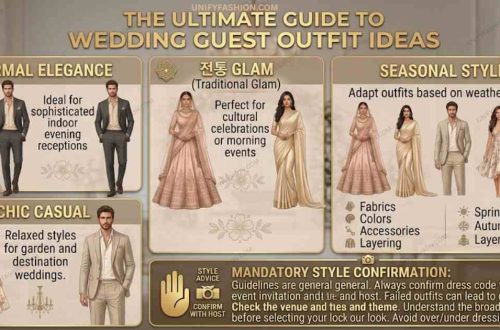
- Weddings and receptions
- Formal dinners
- Interviews
- Business presentations
Formal attire is not just about clothing it’s about how you carry yourself.
Types of Formal Dress Codes for Men
Understanding dress codes is one of the most important parts of dressing well. Many men think “formal” is just about wearing a suit, but in reality, different occasions demand different levels of formality. If you don’t understand the difference, you can easily end up being either overdressed or underdressed — both of which affect your overall impression.
In today’s world, where events range from strict corporate meetings to modern weddings and semi-formal gatherings, knowing what to wear is not optional — it’s essential. The right outfit not only helps you blend into the environment but also gives you confidence and credibility. People notice how you dress before you even speak, so getting it right matters.
Another important thing to understand is that dress codes are evolving. While traditional rules still exist, modern fashion allows more flexibility. However, flexibility does not mean confusion. You still need to understand the foundation before experimenting with style.
Below are the main types of formal dress codes every man should know, along with practical guidance on when and how to wear them.
Business Formal
Business formal is the most widely used dress code, especially in professional environments. It is designed to create a polished, serious, and trustworthy appearance. This is the look you would typically wear in corporate offices, important meetings, presentations, and job interviews.
A proper business formal outfit usually includes a well-fitted dark suit in colors like navy, charcoal, or black. These shades are considered professional because they are subtle and not distracting. Underneath the suit, a crisp white or light-colored dress shirt is preferred, as it keeps the overall look clean and refined. A tie is usually required, and it should complement the suit without being too flashy.
Shoes play a major role here. Leather dress shoes, particularly Oxfords or Derbies, are the safest and most appropriate choice. They should always be clean and polished because worn-out shoes can ruin an otherwise perfect outfit.
What makes business formal important is consistency. Everything from your suit to your shoes should look intentional and well put together. There’s very little room for experimentation here, especially in traditional industries.
However, in 2026, even business formal is becoming slightly more relaxed. Some workplaces allow subtle patterns, softer fabrics, and even the occasional removal of the tie. Still, the foundation remains the same: structured, neat, and professional.
Black Tie
Black tie is one of the most formal dress codes a man can encounter. It is typically reserved for evening events such as weddings, galas, award ceremonies, and high-end dinners. Unlike business formal, black tie follows stricter traditions and leaves less room for personal variation.
The centerpiece of a black tie outfit is the tuxedo. A classic black tuxedo with satin lapels is the standard choice, although midnight blue is also widely accepted as a stylish alternative. It is paired with a white dress shirt, usually featuring a structured front, and a black bow tie not a regular tie.
Footwear is equally important. Patent leather shoes or highly polished black dress shoes are expected because they match the elegance of the tuxedo. Accessories should be minimal but precise, such as cufflinks and a pocket square.
What makes black tie unique is its emphasis on elegance and tradition. It’s not about standing out with bold fashion choices; it’s about respecting the formality of the occasion. Every detail matters, from the fit of the tuxedo to the shine of your shoes.
Even though modern fashion has introduced slight variations, the core of black tie remains unchanged. If an event specifies this dress code, it’s always safer to follow the traditional approach rather than trying to be overly creative.
Smart Formal
Smart formal is where modern style meets traditional dressing. It is less strict than business formal and black tie, making it one of the most versatile dress codes today. This style is commonly seen at semi-formal events, upscale dinners, and social gatherings where you need to look polished but not overly rigid.
The key to smart formal is balance. Instead of a full suit, you can wear a blazer paired with tailored trousers or chinos. This instantly creates a formal appearance while allowing more comfort and flexibility. Unlike traditional formal wear, a tie is usually optional, which makes the outfit feel more relaxed.
Footwear also reflects this flexibility. While dress shoes are still appropriate, loafers and even minimal sneakers can work if styled correctly. The idea is to maintain a clean and intentional look without appearing too stiff.
One of the biggest advantages of smart formal is that it allows personal expression. You can experiment with colors, textures, and layering. For example, adding a roll neck sweater instead of a shirt can give a modern and stylish edge.
In 2026, smart formal has become increasingly popular because it fits perfectly with modern lifestyles. People want to look good without sacrificing comfort, and this dress code offers exactly that. However, the key is to avoid going too casual — the outfit should still look refined and well thought out.
Semi-Formal vs Formal
Many people confuse semi-formal with formal, but there is a clear difference between the two. Understanding this difference can save you from awkward situations where your outfit doesn’t match the event.
Formal attire is structured and precise. It usually requires a full suit, proper dress shirt, formal shoes, and sometimes a tie. The goal is to present a sharp and disciplined appearance. This level of dressing is expected at professional events, weddings, and formal gatherings.
Semi-formal, on the other hand, is more relaxed. It allows you to step away from the full suit while still maintaining a polished look. For example, you can wear a blazer with chinos or even well-fitted trousers without a tie. Lighter colors and softer fabrics are also more acceptable in semi-formal settings.
The main difference lies in flexibility. Formal wear follows strict rules, while semi-formal gives you room to adjust your outfit based on comfort and style preferences.
However, relaxed does not mean careless. Even in semi-formal dressing, your clothes should be clean, well-fitted, and coordinated. The goal is still to look presentable, just without the rigidity of full formal wear.
In modern fashion, the line between semi-formal and formal is becoming thinner, but the basic distinction still exists. Knowing when to dress up and when to keep it slightly relaxed is what truly defines good style.
How Formal Wear is Evolving in 2026
Men’s formal fashion is going through a noticeable shift. What used to be rigid, uncomfortable, and rule-based is now becoming more flexible and practical. The modern man no longer wants to sacrifice comfort for style he wants both.
One of the biggest reasons behind this change is lifestyle. With hybrid work environments, long office hours, and more casual social settings, people are looking for clothing that adapts to different situations. This has pushed designers to rethink traditional formal wear and make it more wearable.
Another factor is the influence of street style. Fashion is no longer controlled only by luxury brands; it is shaped by everyday people, social media trends, and cultural shifts. This has made formal wear more approachable and less intimidating.
Even though formal clothing is evolving, it still maintains its core purpose to make you look sharp and presentable. The difference is that now you can achieve that without feeling restricted.
Key Trends in 2026
Rise of Comfortable Tailoring
Modern tailoring focuses heavily on comfort. Suits are now made with softer fabrics and flexible materials that allow movement. This means you can wear them for long hours without feeling uncomfortable. The structure is still there, but it feels lighter and more natural.
Formal Meets Street Style
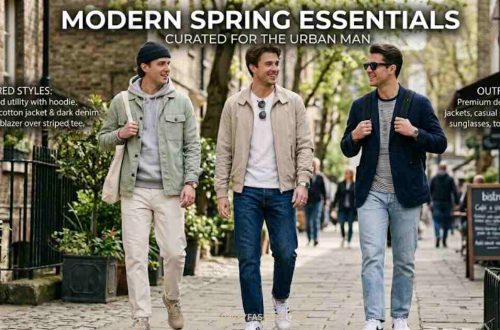
The combination of formal attire and casual elements is becoming normal. Pairing sneakers with suits or wearing a t-shirt under a blazer is no longer unusual. When done correctly, it creates a confident and modern look that stands out without trying too hard.
Earth Tone Colors
Colors are shifting from traditional black and navy to more natural shades like beige, olive, and brown. These tones are easier on the eyes and work well in both formal attire and semi-formal attire settings. They also add variety to your wardrobe without being too bold.
Relaxed Fit vs Slim Fit
While slim fit is still relevant, relaxed fits are gaining popularity. Slightly looser clothing offers better comfort and a more contemporary look. The key is balance the outfit should not look baggy but should allow ease of movement.
New Rules of Men’s Formal attire Dressing
Fashion rules are not as strict as they used to be, but that doesn’t mean anything goes. The modern approach to formal attire dressing is about making smart choices rather than blindly following old guidelines.
Focus on Fit Over Brand
A good fit can completely transform your appearance. Even a simple outfit can look premium if it fits well. On the other hand, expensive clothing with poor fit will never look right.
Why Comfort Matters More Than Ever
Comfort directly affects confidence. If your clothes are too tight or restrictive, it will show in your body language. Modern formal attire wear is designed to feel as good as it looks.
Choosing the Right Colors
Neutral and earthy tones are the safest choices. They are versatile, easy to match, and suitable for most occasions. Bright colors should be used carefully to avoid overpowering the outfit.
Mixing Formal attire with Casual Pieces
Blending formal attire and casual elements is now acceptable, but it should be done thoughtfully. The goal is to create balance, not confusion.
Breaking Old Fashion Rules
Old rules like “never mix sneakers with suits” are no longer relevant. Today, style is about intention. If your outfit looks clean, balanced, and confident, you’re doing it right.
Must-Have Formal attire Wear Pieces for Men
Every man should have a basic formal attire wardrobe. You don’t need many items — just the right ones.
What should every man own?
The Modern Unstructured Suit
Lightweight, flexible, and easy to wear. Perfect for both office and events.
Blazers Every Man Should Own
At least:
- Navy blazer
- Grey blazer
These can be styled in multiple ways.
Best Formal attire Shirts for Men
- White shirt
- Light blue shirt
- Subtle patterned shirt
These are timeless and versatile.
Formal attire Trousers Guide
Invest in:
- Black trousers
- Grey trousers
- Navy trousers
Make sure they are tailored properly.
Smart Knitwear in Formal attire Looks
Sweaters and roll necks can replace shirts in winter while keeping the look formal attire.
Essential Formal attire Shoes Collection
You should own:
- Oxfords
- Derbies
- Loafers
Best Types of Formal attire Shoes for Men
Shoes can make or break your outfit.
Which formal attire shoes are essential?
Oxford Shoes
The most formal attire option. Ideal for business and black-tie events.
Derby Shoes
Slightly more relaxed than Oxfords. Great for daily office wear.
Monk Strap Shoes
Stylish and modern. Perfect for adding personality.
Loafers
Comfortable and versatile. Works well in smart formal wear looks.
Chelsea Boots
Best for winter and semi-formal attire outfits.
10 Best Formal attire Shirt and Pant Combinations for Men
Choosing the right combination is key to looking stylish.
What are the best combinations?
White Shirt with Black Trousers
Classic and timeless.
Light Blue Shirt with Navy Pants
Perfect for office wear.
Black Shirt with Grey Trousers
Modern and sharp.
Beige Pants with Dark Shirts
Great for daytime events.
All-Black Look
Bold and minimal.
25+ Formal attire Outfit Ideas for Men (2026 Trends)
Outfit ideas help you visualize your style.
What are trending outfit ideas?
Classic Business Looks
- Navy suit + white shirt + tie
Modern Minimalist Outfits
- Grey suit + black t-shirt
Wedding Looks
- Cream suit + patterned shirt
Seasonal Looks
- Linen suits in summer
- Wool suits in winter
Statement Styles
- Velvet blazers
- Bold colored suits
Accessories That Upgrade Your Formal attire Look
Accessories complete your outfit.
What accessories should you use?
Ties & Pocket Squares
Add personality and color.
Watches
A simple watch elevates your look instantly.
Belts & Shoes Matching
Always match leather colors.
Cufflinks & Lapel Pins
Small details, big impact.
10 Mistakes to Avoid When Wearing Formal attire Outfits
Avoiding mistakes is just as important as dressing well.
Common mistakes
- Wearing ill-fitted clothes
- Mismatched shoes and belt
- Wrinkled shirts
- Over-accessorizing
- Ignoring shoe condition
Pro Tips to Look More Stylish in Formal attire Wear
- Keep it simple
- Invest in tailoring
- Stick to neutral colors
- Maintain your clothes
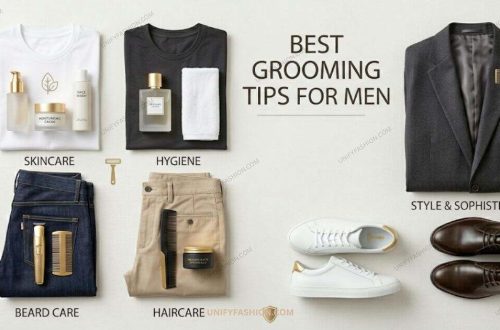
- Focus on grooming
Frequently Asked Questions (FAQs)
Can you wear sneakers with formal outfits?
Yes, but only in smart formal looks. Keep them clean and minimal.
What color suit is best for men?
Navy and charcoal are the most versatile.
How many suits should a man own?
At least 3-5 suits for different occasions.
Is slim fit still in style in 2026?
Yes, but relaxed fits are becoming more popular.
Conclusion
Formal attire for men in 2026 is no longer about strict rules it’s about balance. You need to combine style, comfort, and confidence.
A well-dressed man today is someone who understands:
- Fit matters more than brand
- Simplicity beats complexity
- Comfort enhances confidence
If you build a strong foundation with the right pieces and follow modern styling principles, you don’t need a huge wardrobe. Just a smart one.